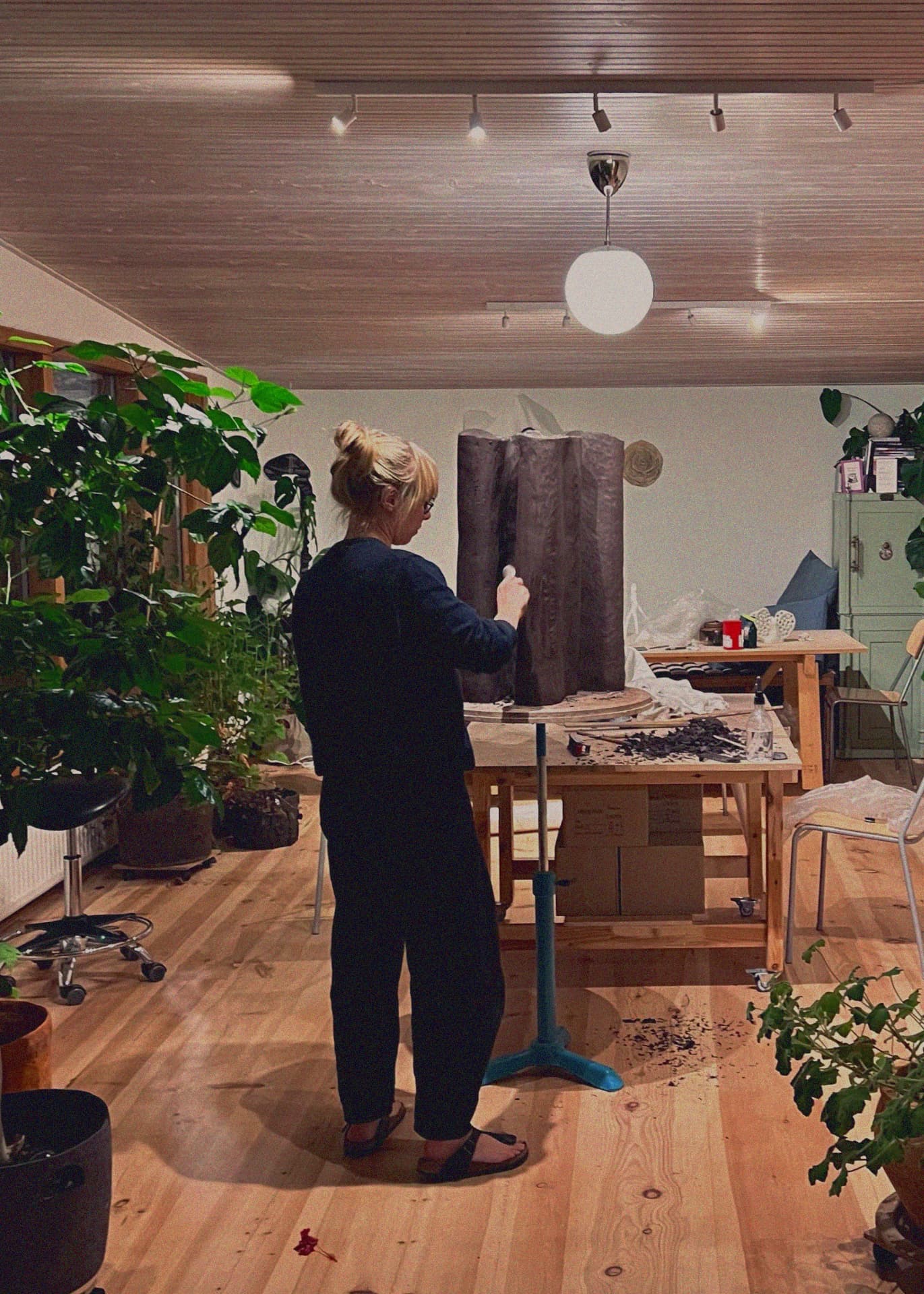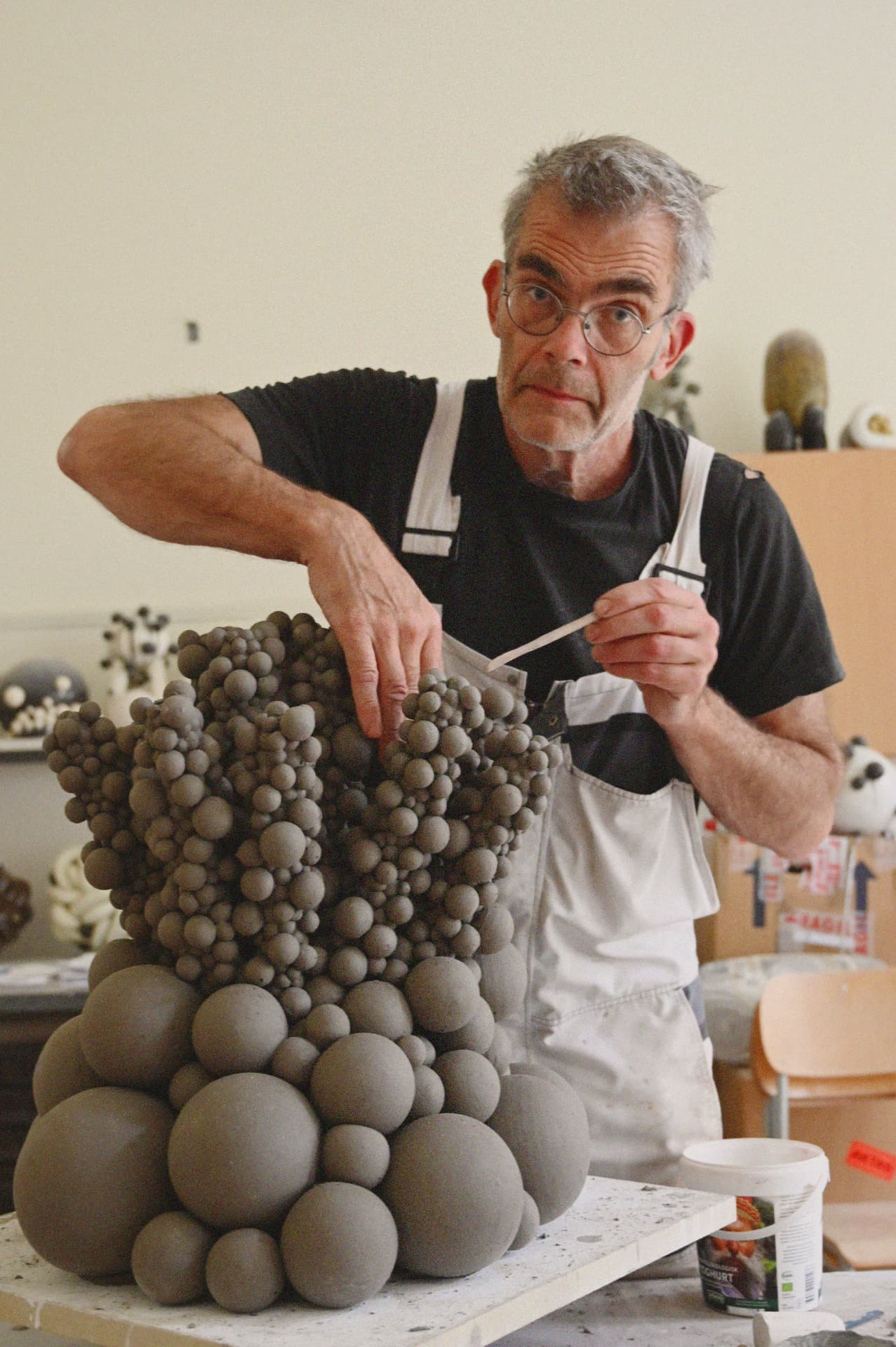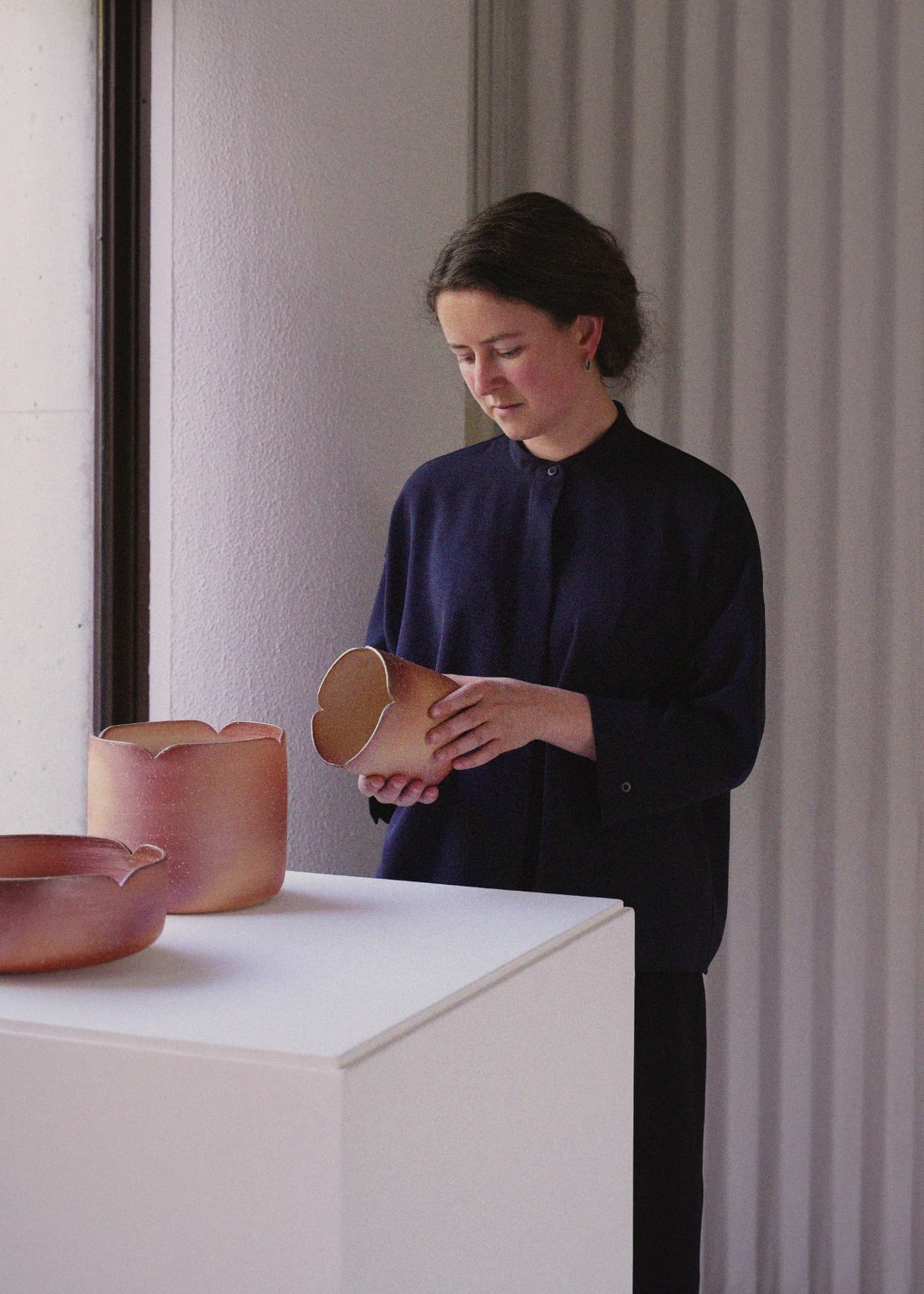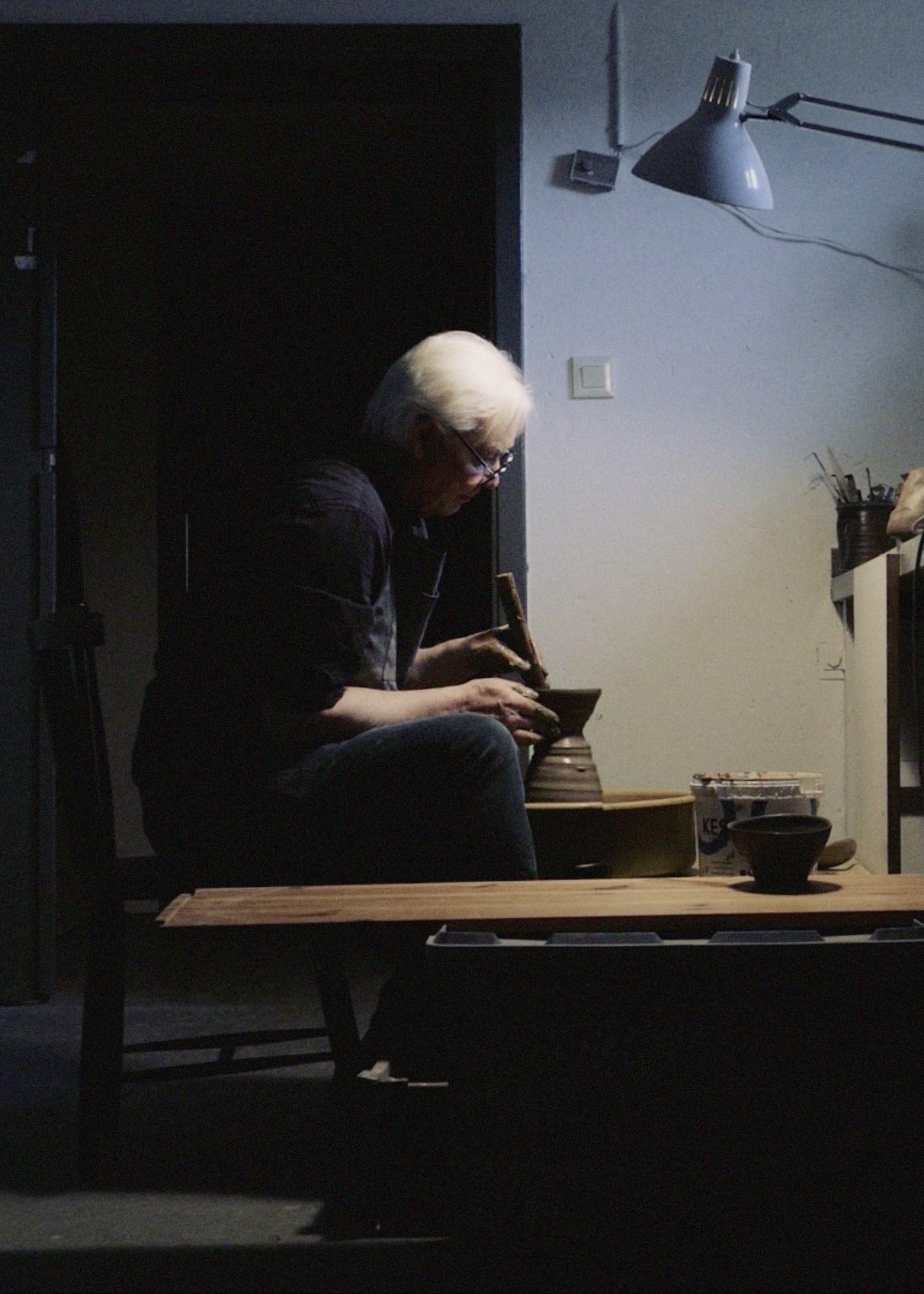
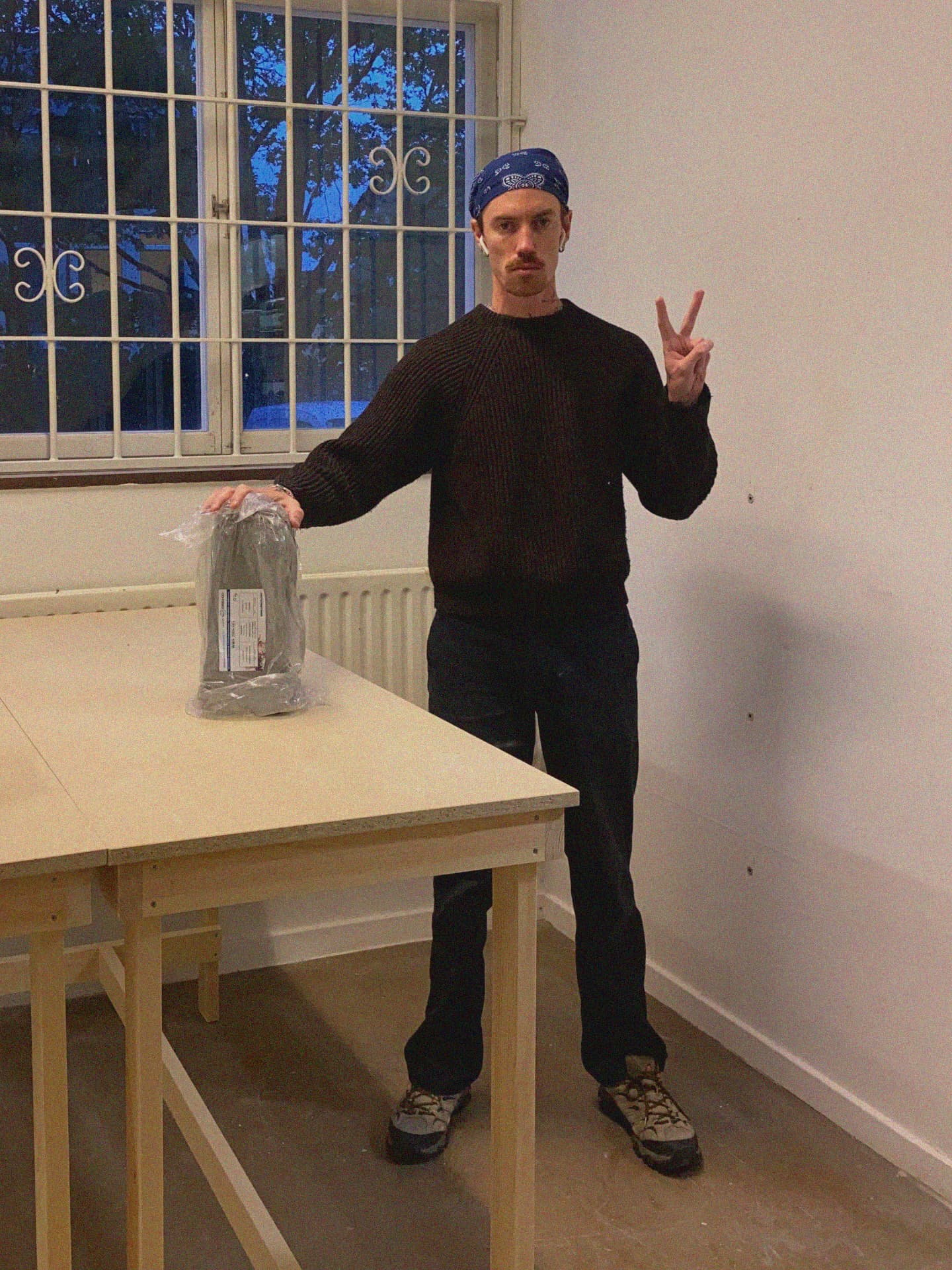
Truls first touched clay at twenty-three, studying in the US, in a relaxed and casual environment. “I’d never worked with clay before, but something about it just drew me in.” He had always thought of himself as a non-creative person. “But then I thought: with clay, you always end up with something.” Ceramics turned out to be more than he had imagined. “I thought it was mostly about throwing, but my teacher’s practice was sculptural. I realised pretty quickly that this was what I wanted to do.”
In the beginning it felt undemanding and fun. “A spirit of experimentation. It’s still there, but now you hold back a bit because people are watching. Back then, no eyes were on you and parts of it felt totally unbound.” I say it feels like a recurring theme, that desire to feel free inside a material, as if we all carry a small rebel inside. He has been thinking about that while trying other materials. “It’s refreshing not to be locked into ceramics and its rules. But if you’re a certain type of person, maybe those rules are exactly what you need. Coming back to it felt like a luxury. Turns out I like having a bit of structure.”
“It’s so incredibly hands-on. It’s direct. It’s easy to draw something in 3D with your hands. If you have an idea, you can execute it right away.” He is restless. “I build fast. Before, I just kept trying until things collapsed, because I didn’t know how much pressure the clay could take. That’s still the case, but now I do it knowing it can be fixed somehow.”
His favourite stage is decoration. “You have something finished and it has held up against gravity. You’ve just gotten past the trickiest step.” Why do you keep going even if it is demanding? “It’s a challenge. There’s a big payoff when you’ve actually built something. And it gets even better when you get to decorate it.”
“I keep coming back to it. There’s probably a sentimental aspect, that it’s where I started.”
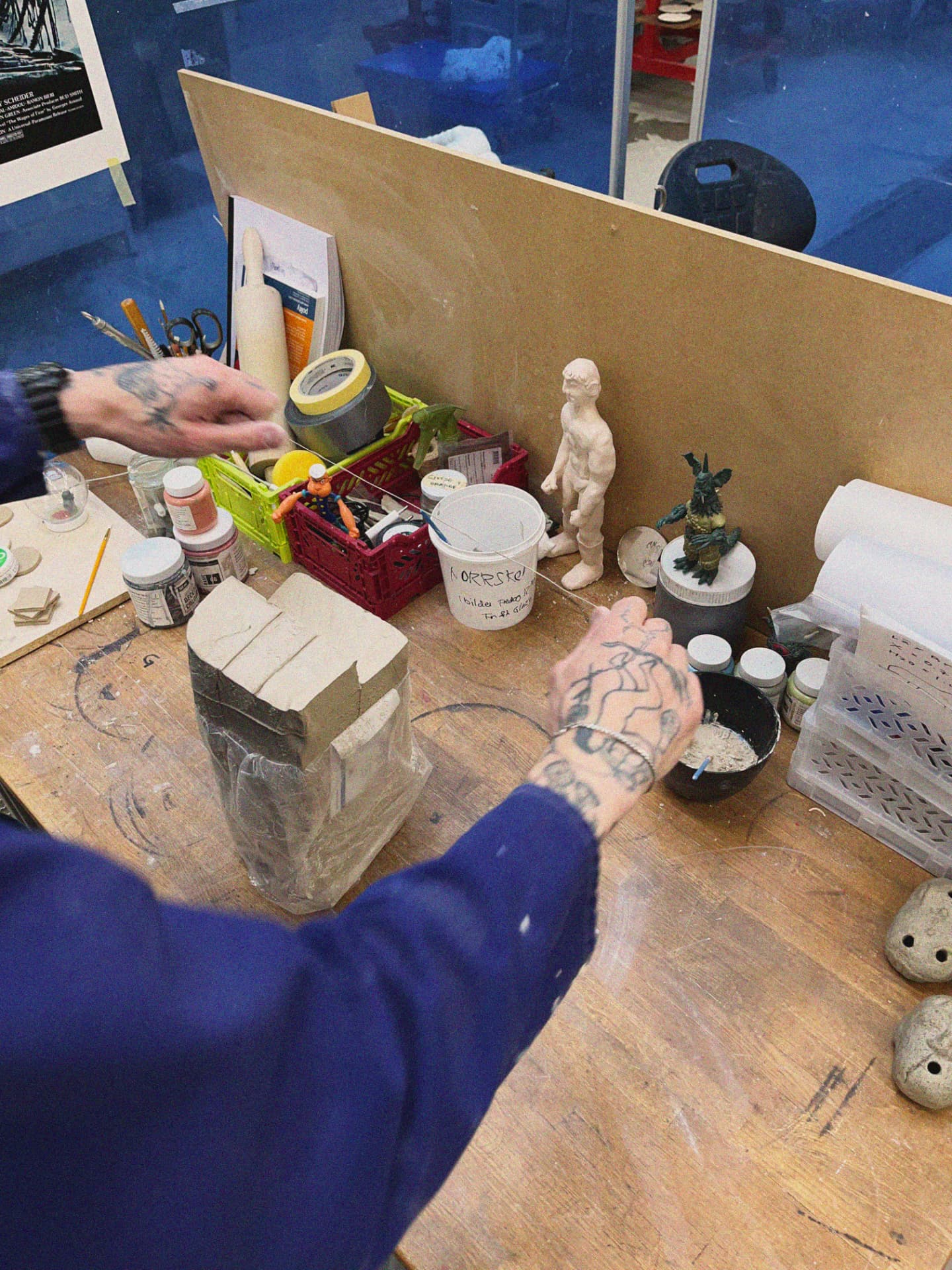
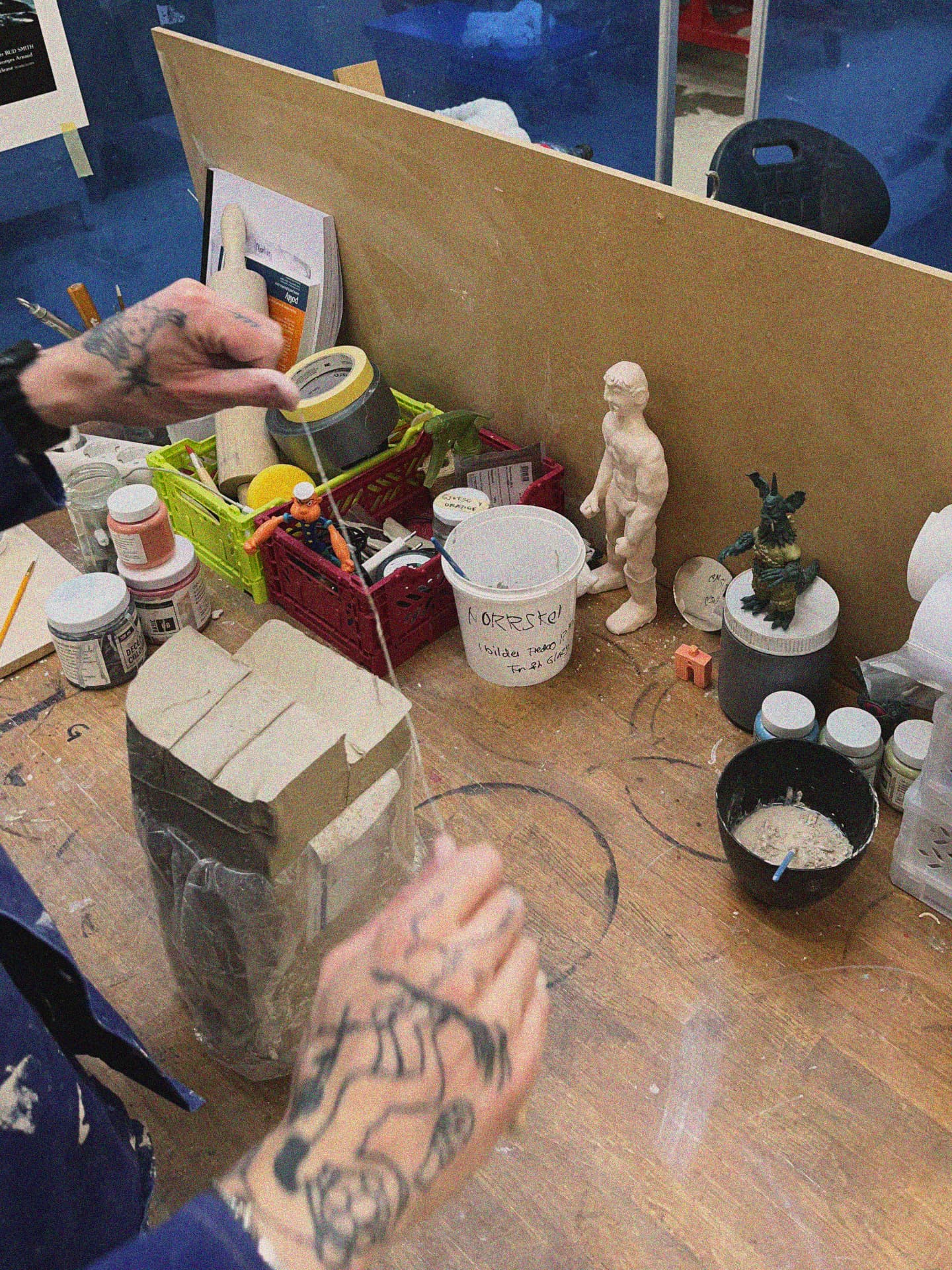
How does clay feel in your hands? “Oh, good question. It’s probably just a material that needs to do what I want. It has to obey me.” Does it demand anything of you? “No, I’m the one demanding things from it, I think.”
When everything goes to shit anyway? “Barely angry or sad, to be honest. Mostly self-preservation, I think. If you hung up on things like that, you couldn’t keep going. I start on something new, or run parallel projects. Everything doesn’t have to be perfect. I patch things up after they’ve been in the kiln.” So a setback isn’t necessarily a failure? “No, exactly.”
Lately he has tried other materials. “In styrofoam, any means are allowed as long as you reach the goal. In ceramics you have to stick to certain rules of the game and certain timeframes. That’s quite nice sometimes, but also frustrating.” The waiting? “It can be cozy having to wait. There’s an anticlimactic aspect. You finish something and it’s like: oh, so this is it. You’re already wrapped up in the next thing and can’t appreciate it. So it’s quite nice to just be in the process.” Is that the thing then, the doing rather than the result? “Yes, a hundred percent. Even if you get a kick out of something finished, it wears off faster than the creation.”
Do you love clay? “Both yes and no. A love-hate relationship. I think it’s most noticeable now, when I’ve tried to expand and combine it with other materials. I keep coming back to it. There’s probably a sentimental aspect, that it’s where I started. And then I’ve become loyal to the material. But at the same time: why do I need to be? It’s not a person.” Or is it? I say I can imagine clay having a personality, almost being somebody. And I add: you cheated with wood. “It was styrofoam. They all have their challenging sides.”
Why cheat? “I’m interested in exploring my own attachment to clay. I feel bound to it lately, but not in a constructive way. How can I take this further and combine it with my art practice, instead of just adapting to it?”
Three words for someone who has never touched clay, to explain the love-hate? “Stubbornness. There is stubbornness both in the material and in myself. I can only think of one.”
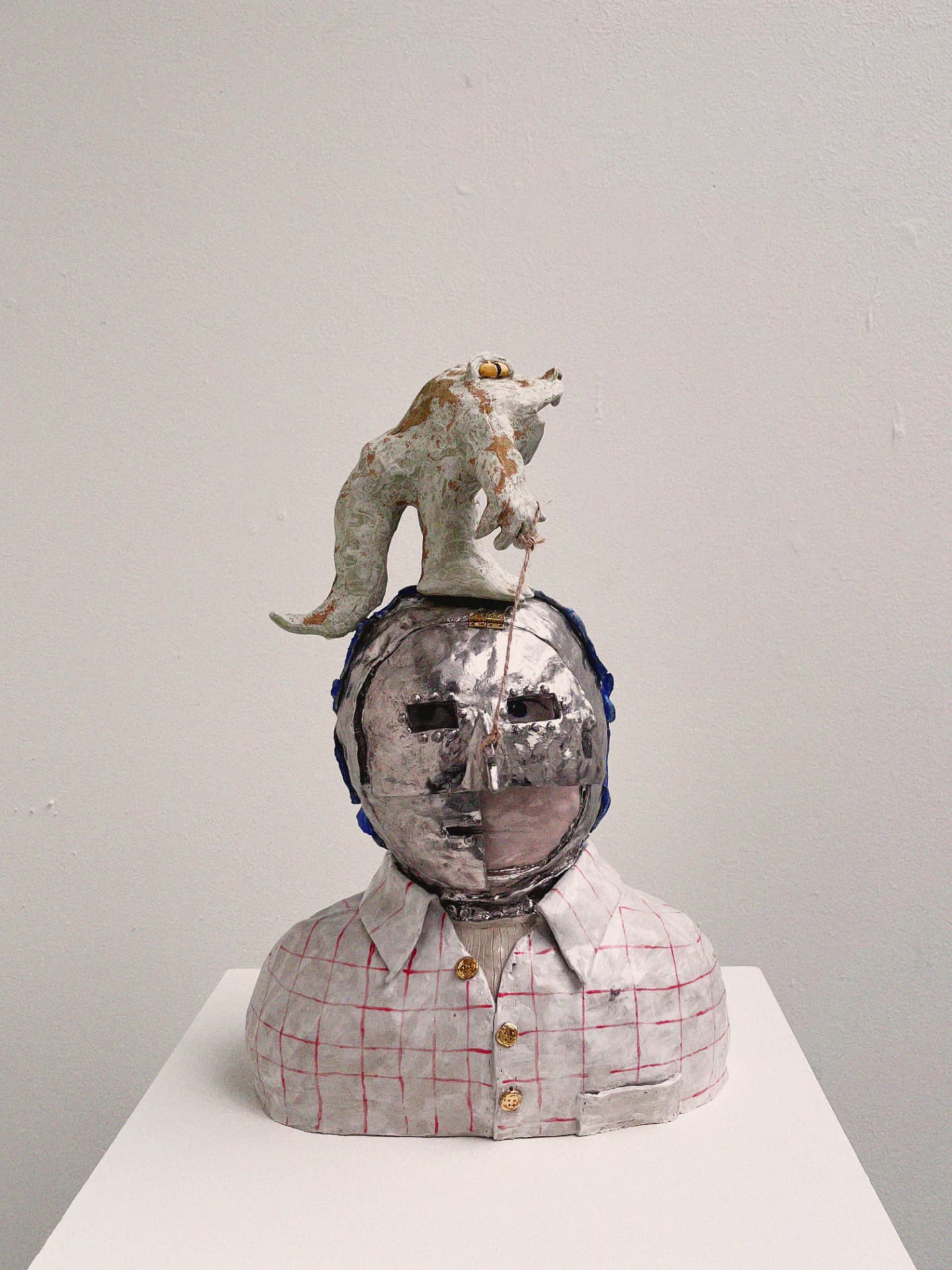
How does clay feel in your hands? “Oh, good question. It’s probably just a material that needs to do what I want. It has to obey me.” Does it demand anything of you? “No, I’m the one demanding things from it, I think.”
When everything goes to shit anyway? “Barely angry or sad, to be honest. Mostly self-preservation, I think. If you hung up on things like that, you couldn’t keep going. I start on something new, or run parallel projects. Everything doesn’t have to be perfect. I patch things up after they’ve been in the kiln.” So a setback isn’t necessarily a failure? “No, exactly.”
Lately he has tried other materials. “In styrofoam, any means are allowed as long as you reach the goal. In ceramics you have to stick to certain rules of the game and certain timeframes. That’s quite nice sometimes, but also frustrating.” The waiting? “It can be cozy having to wait. There’s an anticlimactic aspect. You finish something and it’s like: oh, so this is it. You’re already wrapped up in the next thing and can’t appreciate it. So it’s quite nice to just be in the process.” Is that the thing then, the doing rather than the result? “Yes, a hundred percent. Even if you get a kick out of something finished, it wears off faster than the creation.”
Do you love clay? “Both yes and no. A love-hate relationship. I think it’s most noticeable now, when I’ve tried to expand and combine it with other materials. I keep coming back to it. There’s probably a sentimental aspect, that it’s where I started. And then I’ve become loyal to the material. But at the same time: why do I need to be? It’s not a person.” Or is it? I say I can imagine clay having a personality, almost being somebody. And I add: you cheated with wood. “It was styrofoam. They all have their challenging sides.”
Why cheat? “I’m interested in exploring my own attachment to clay. I feel bound to it lately, but not in a constructive way. How can I take this further and combine it with my art practice, instead of just adapting to it?”
Three words for someone who has never touched clay, to explain the love-hate? “Stubbornness. There is stubbornness both in the material and in myself. I can only think of one.”