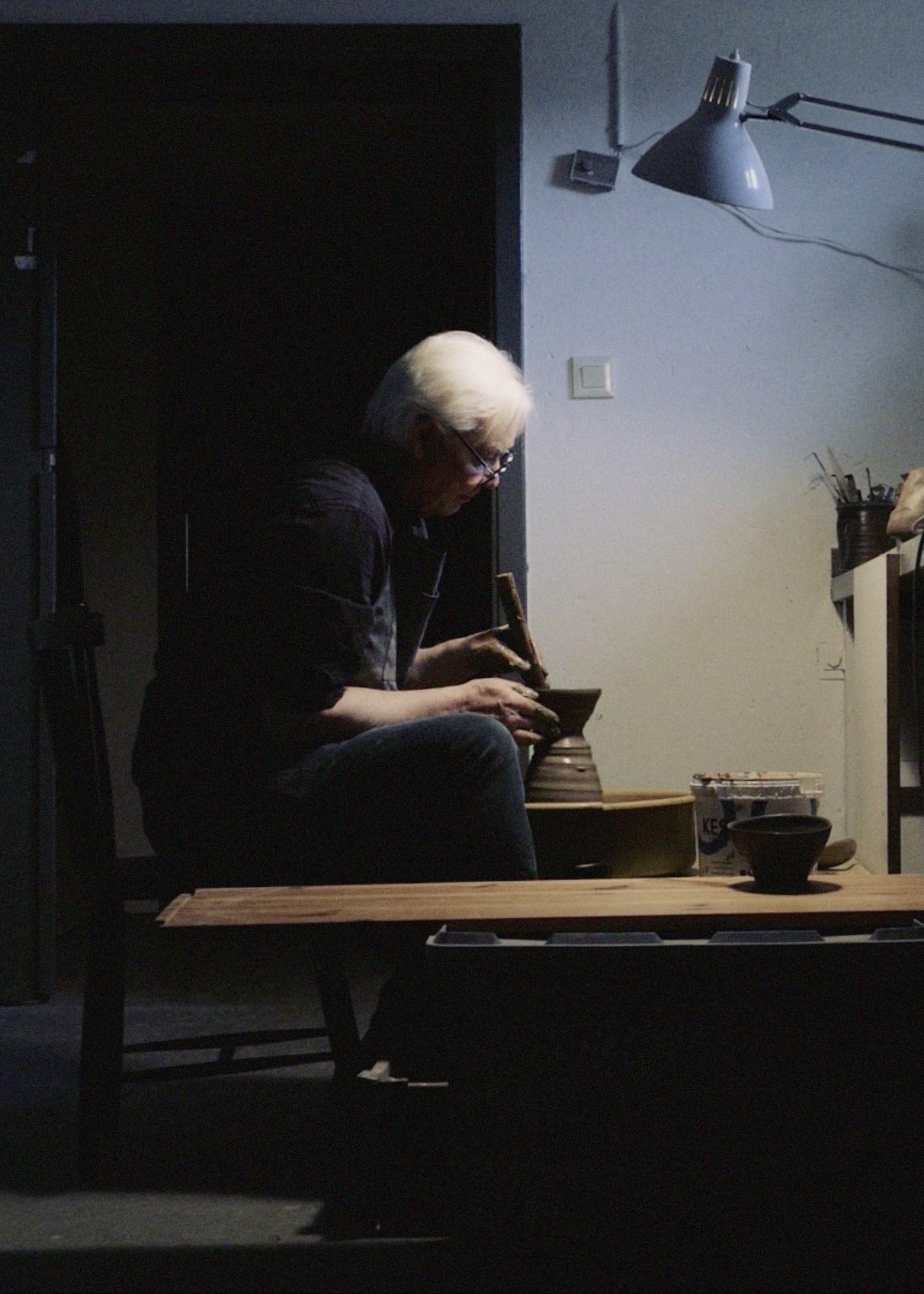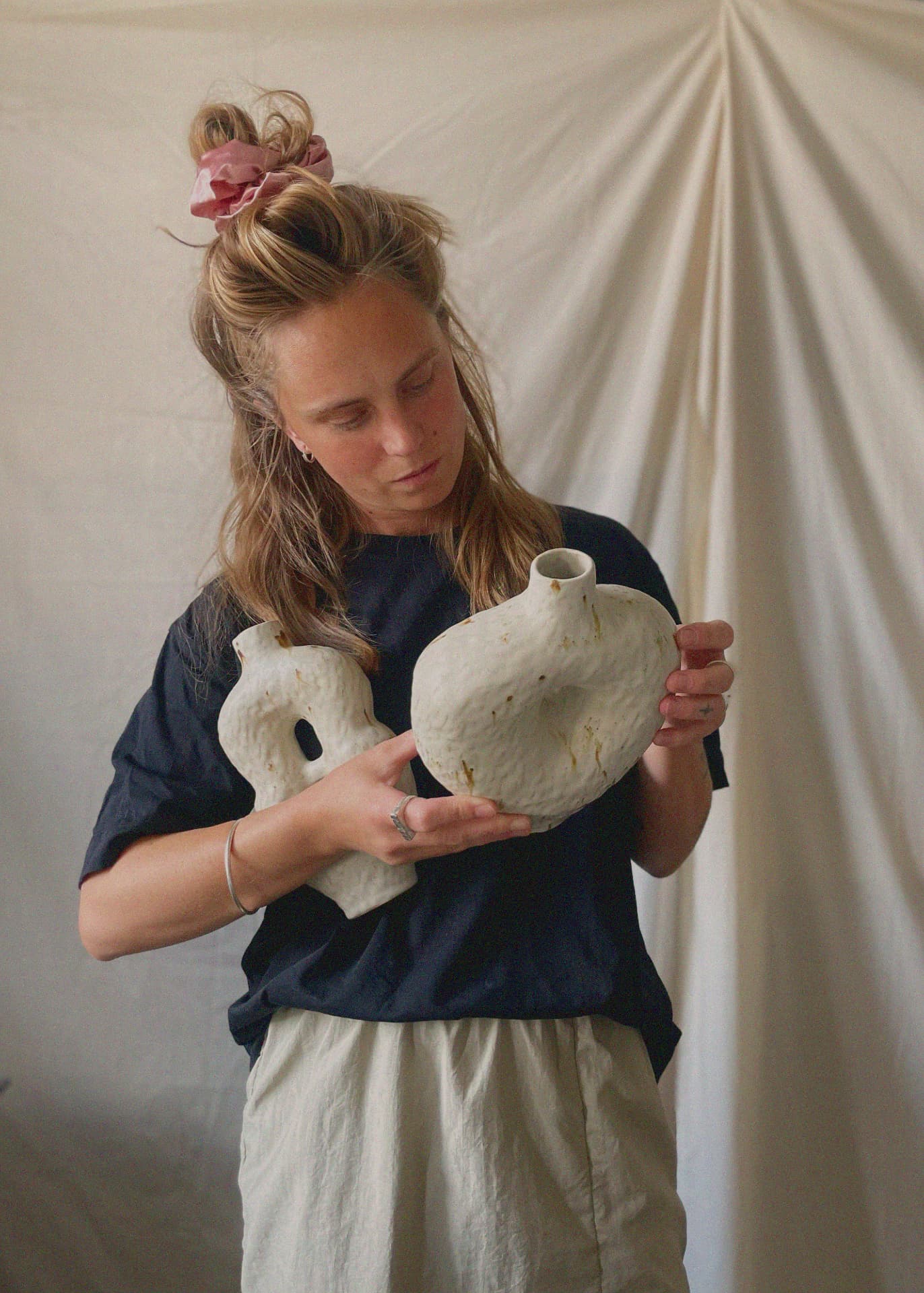
She doesn’t call it love. “I don’t love clay, but I see it as a good colleague, one that both challenges and develops me.” And she can’t seem to live without it. It started early. “I decided I was going to learn to throw when I was little, because my aunt threw pots. I’m going to be able to do this one day.” A few years in, she thought she was done. “Then I realized I wasn’t done at all.”
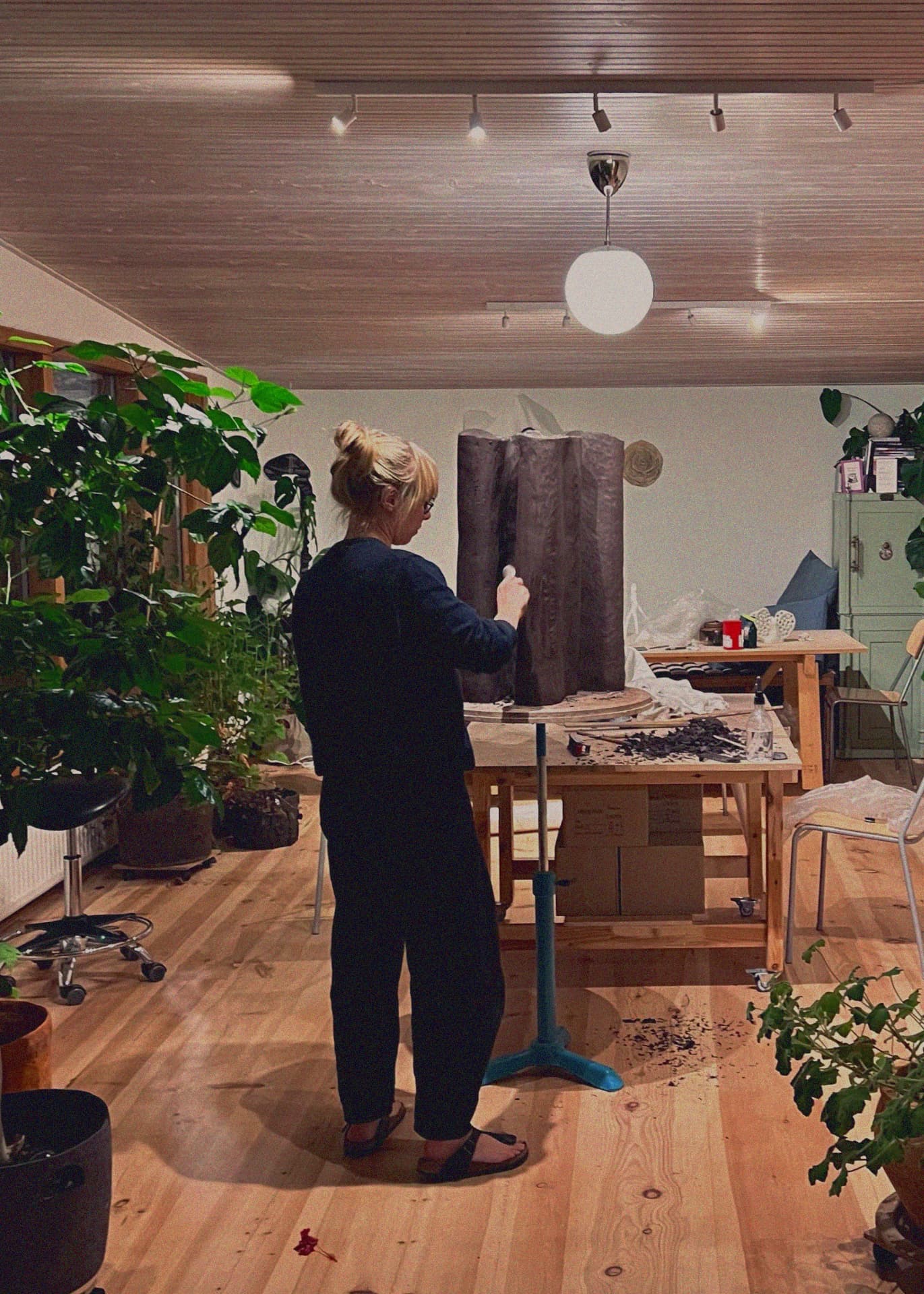
Working as a ceramicist was never the plan. She found a studio in Malmö and meant to do clay full-time for three months. “Then I’ll get a proper job!” It took two years. “And now, several years later, I’m a ceramicist full-time. It hasn’t really worked out, not doing it.”
What holds her is bigger than clay. “I have to create. I have an enormous need for it. I have no idea how I would function if I couldn’t.” Clay is her main medium, but it could just as well be cooking, carpentry, baking or gardening. Clay keeps her because it asks for everything at once. “There are functional aspects, aesthetic aspects and technical aspects. I love finding the balance between form and function.” Teapots do it best. “Getting them all together and making them work is really challenging and really fun.”
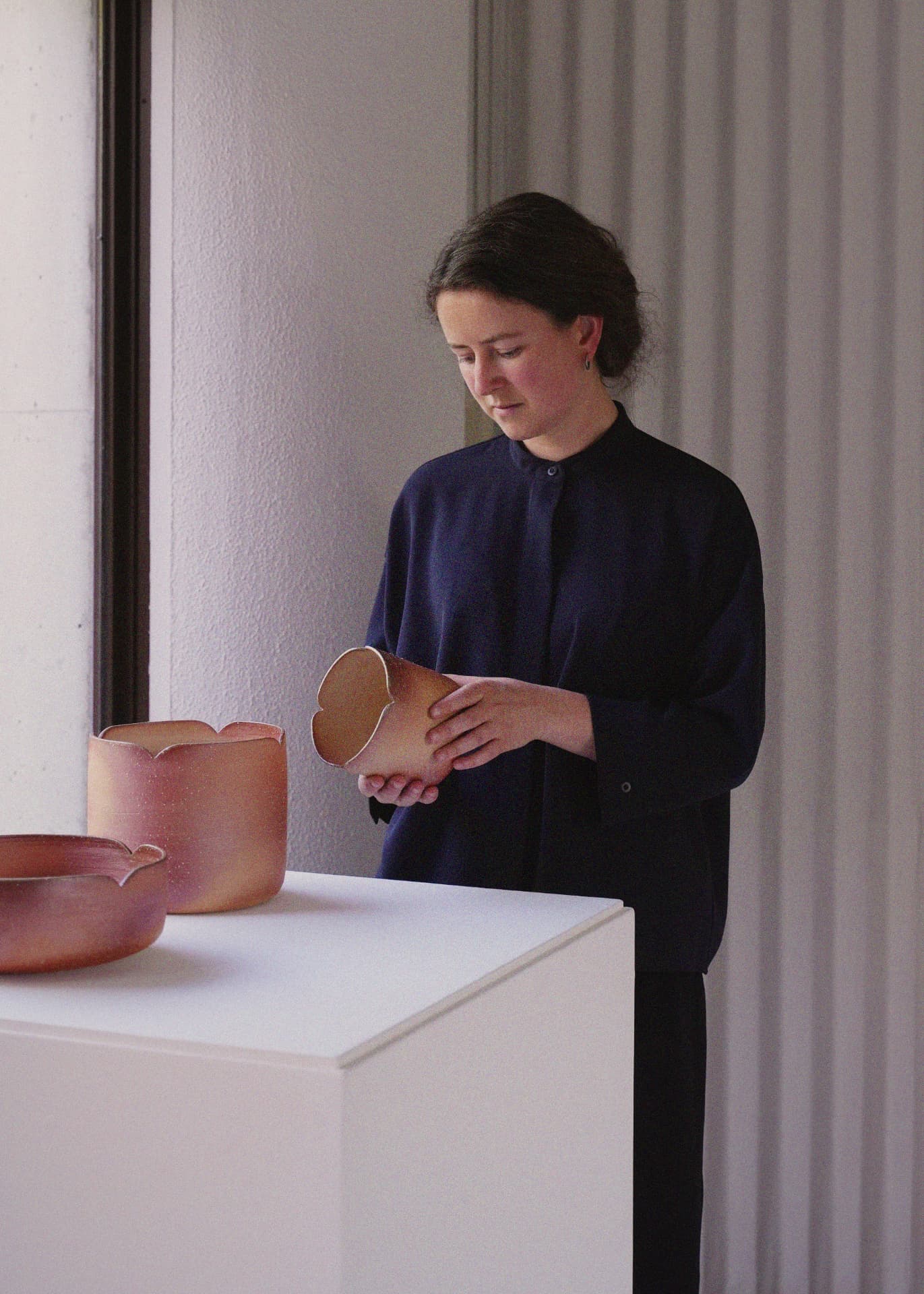
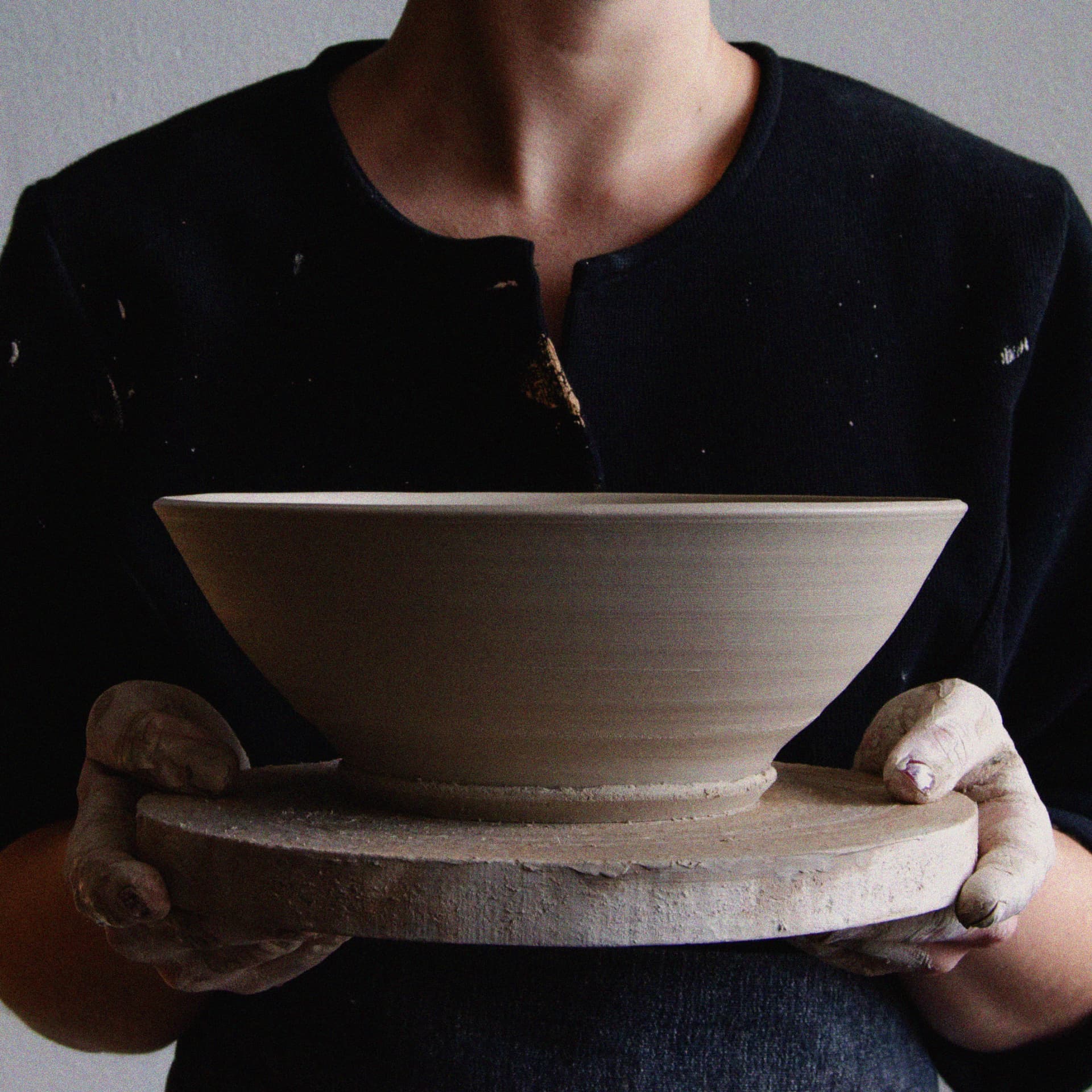
“Easy to make something, but hard to make it really well.”
It isn’t an easy relationship. “I have so many problems with glazes. The problems never end, new ones keep coming up.” What keeps you going? “A lot of stubbornness. And the determination that it has to work.” She doesn’t like opening the kiln. “When I was in school it was so wonderful, but when I started working with it, that was over.” She often asks herself why she does this. “Especially when I open the kiln.” When it goes wrong, she puts the pieces on a shelf. “I can’t deal with it right now. They sit there for a day and sink in. Then I can handle it. Usually.” The slow pace suits her. “It gets to take its time.”
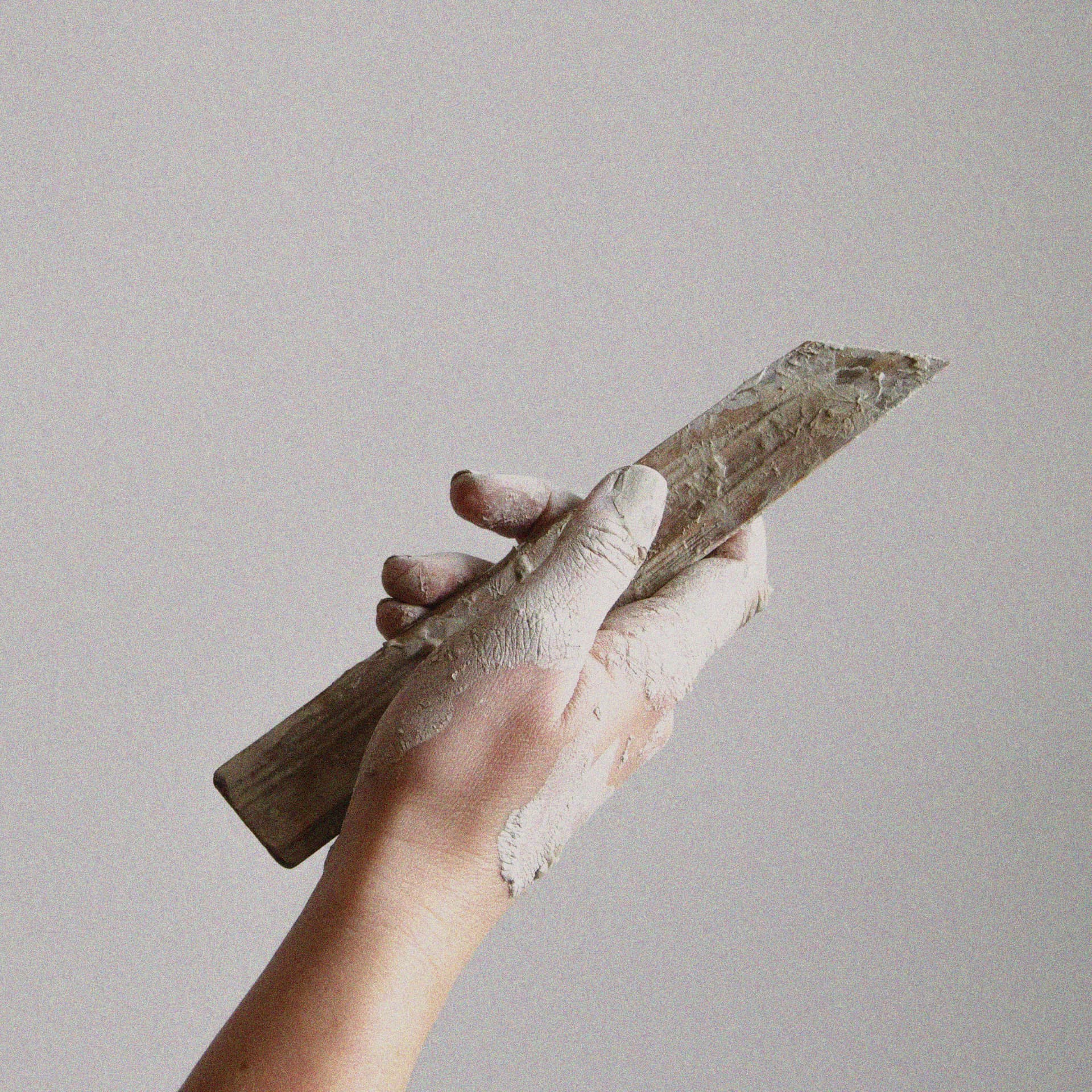
Her care shows in how she works. “I treat it with care and look after it at the right stages. At some stages it’s very forgiving, at others it isn’t. When it’s malleable and soft it is. Kind, I think.” Then she tells me something that surprises me. “I don’t like having messy hands. When I was little I could get gag reflexes. I often feel a slight resistance before starting. But I have to agree to it to be able to throw.” Perhaps that is the love: agreeing to the mess. The studio, at least, smells right. “A kind of safe, comforting smell.”
If clay had a personality? “Porcelain: an elegant drama queen. Very lovely and beautiful, but also hell to work with.” Clay in general is ambivalent. “It can seem to agree to a lot at first, but when it comes to the firing, it pulls its ears back. Sturdy and seductive, but also brittle and hesitant. Maybe that’s human after all?”
Her newest favourite clay has just stopped being made. “I found a reseller who still had some. I bought three hundred kilos.” Why that one? “Elegant and sturdy at the same time. Maybe that’s how I want to be described as a person too.”
Clay in three words: “Presence, patience, sensuality.” And what is it about clay, after all? “Easy to make something, but hard to make it really well.”